
Stories and Thoughts
—
The Absence of Love
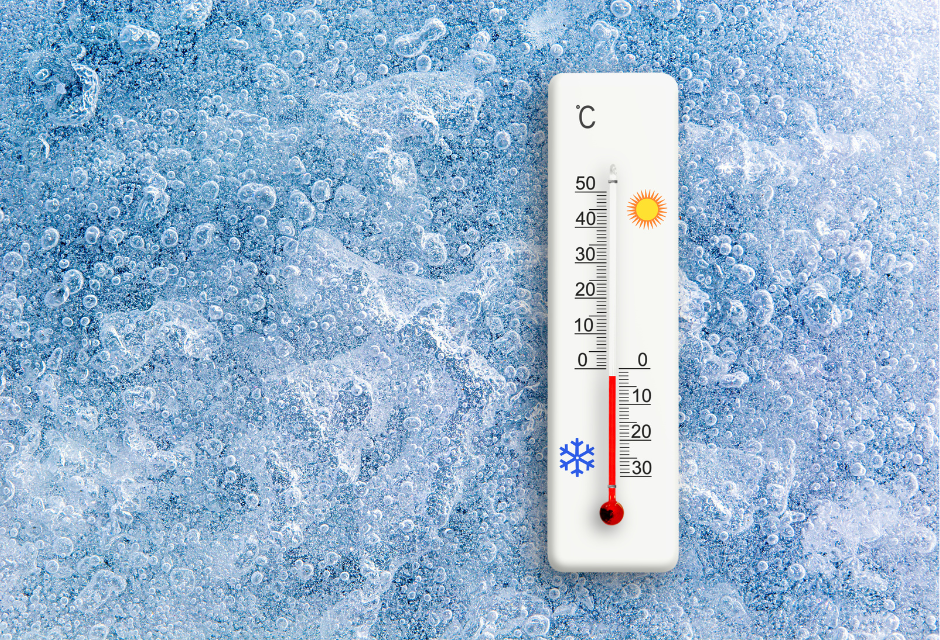
I remember my mother calling, “Shut the door, you're letting in the cold.” The draft of cold air sweeping past my feet was proof enough. I couldn't have told her at the time, “There is no such thing as cold.” Technically, colder, denser air from outside displaces the lighter, warmer air inside, cooling the room. Science tells us that cold is not an independent substance. It is simply the absence of heat.
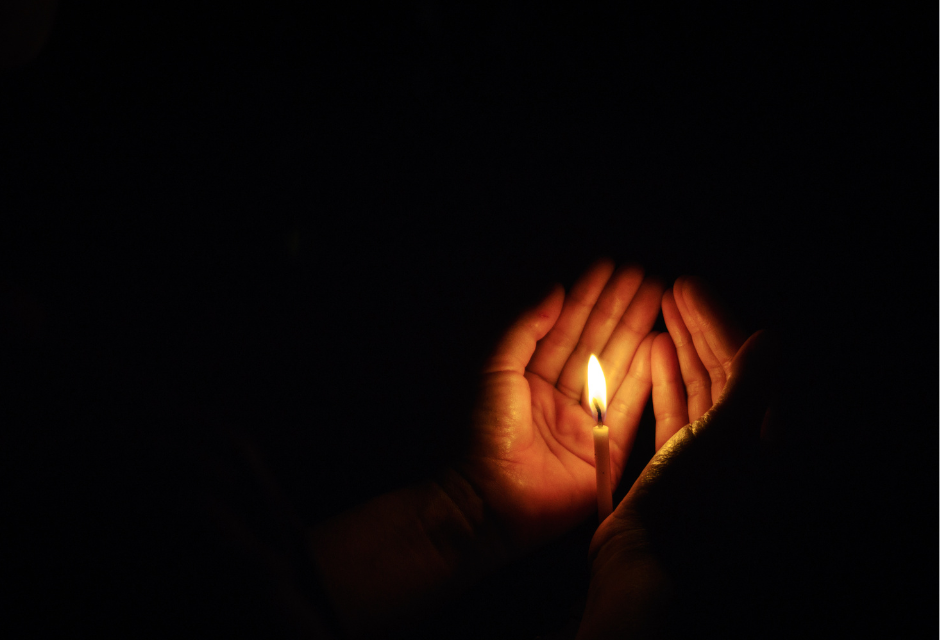
Jean and I visited some caves in Montana years ago. Deep inside the cave, our guide asked us to turn off all our flashlights. The darkness was palpable. I held my hand in front of my eyes, but I couldn't see it. I could hear Jean breathing, but I couldn't see her. No one around me was visible. The space was devoid of light. Again, as with cold, darkness has no independent source. It exists where light is absent.
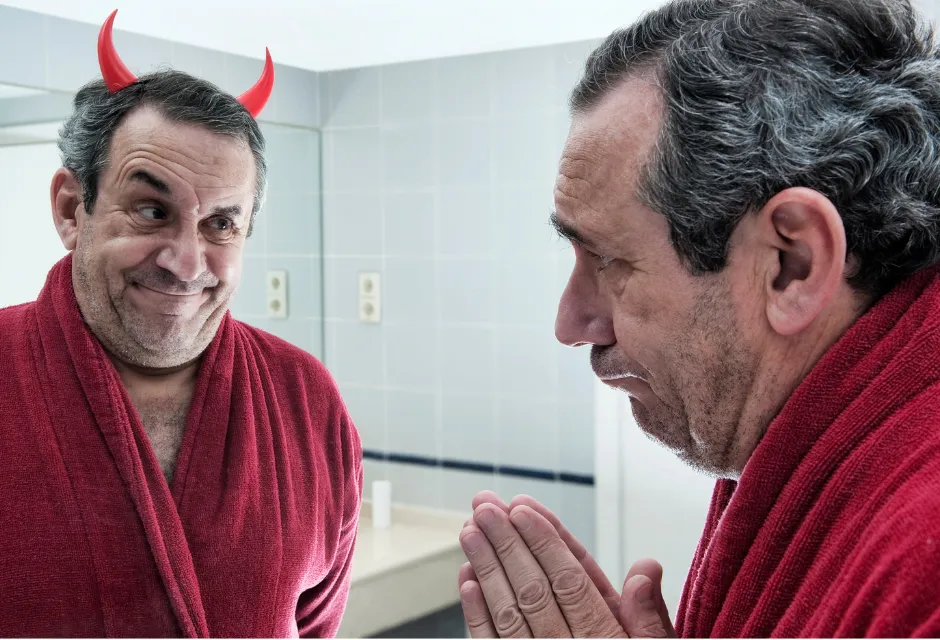
Just as cold represents an absence of heat and darkness an absence of light, could this analogy help us understand evil? Could evil, too, be understood as an absence of goodness and love?
Some time ago, as I was travelling down Main Street, a man threw a stone at my car. What prompted him to commit this act of vandalism? If asked, would he say, “The Devil made me do it”? Was it a lack of knowledge? Had no one taught him that such behaviour was wrong? Perhaps he saw me and my car as symbols of possessions he could never hope to acquire, and acted out of anger, resentment, or jealousy.
Could the cruelty perpetrated in residential schools, and the government's historical treatment of Indigenous peoples, have contributed to generations of trauma, alienation, and social suffering? Might some of the problems we witness today be understood, at least in part, as consequences of that earlier absence of love and compassion?
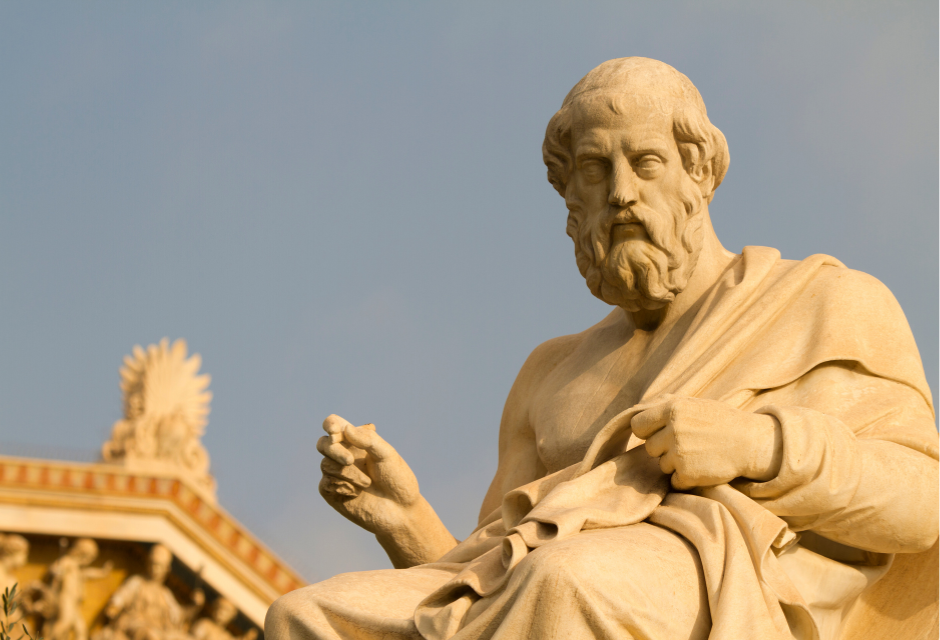
The source and nature of evil have been argued and debated for centuries. Numerous cultures have attributed the source of good to one god and the source of evil to another. Plato, the Greek philosopher, expressed the matter more philosophically, describing evil as a privation of the source of good—or, stated another way, a lack of perfection. Others have suggested that evil occurs when we turn away from what is good in favour of something lesser.
In the biblical creation stories, God created everything and pronounced it good. How, then, does God's creation, being good, contain evil? The writers of the creation stories tell us that God created humankind in His image, giving us free will—the godlike ability to make choices. Along comes a serpent who persuades the woman to exercise that freedom by disobeying God. The first act of human disobedience. The story suggests that this act brought consequences affecting humankind and the rest of creation.
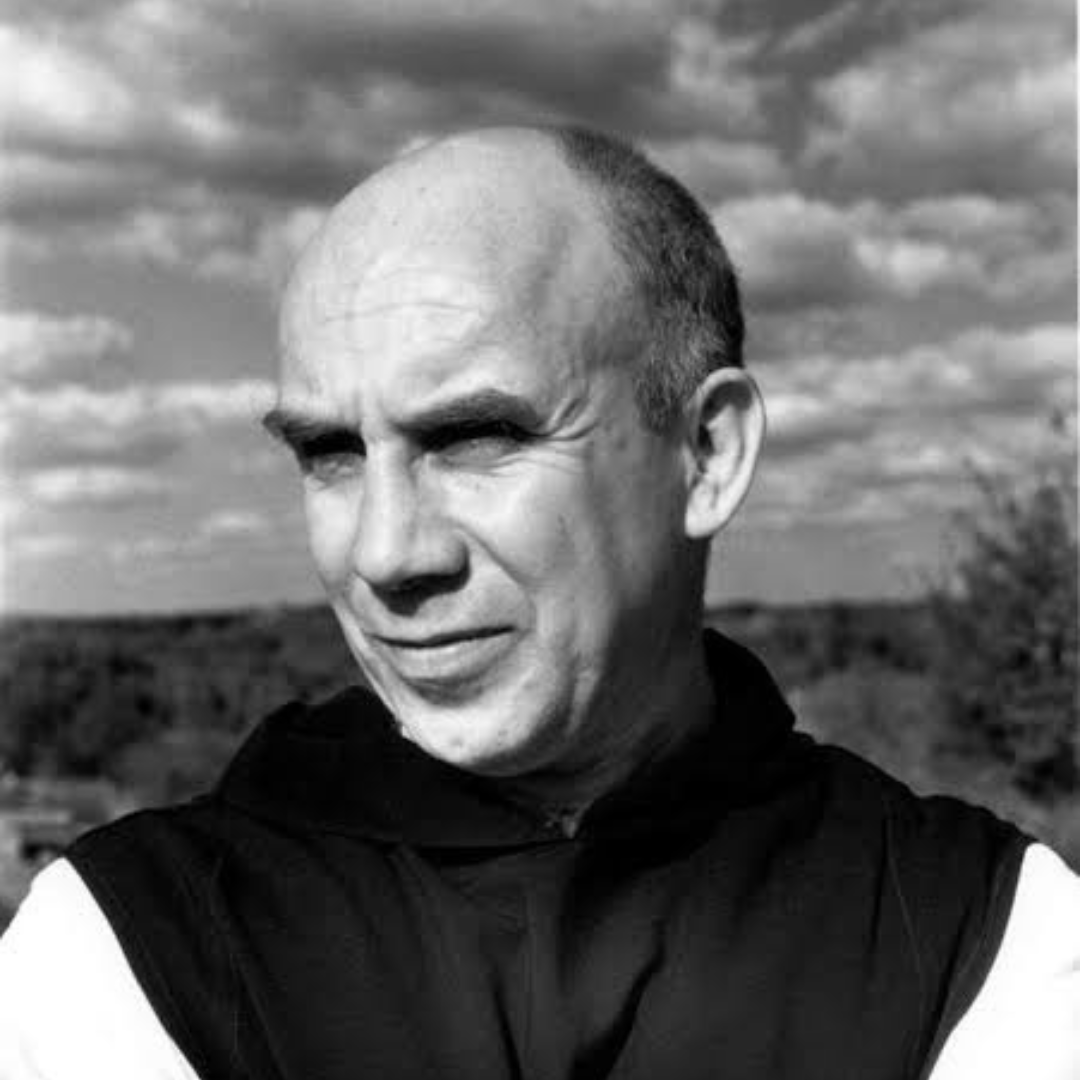
Thomas Merton, an American Catholic monk, wrote, “To the extent that you are free to choose evil, you are not free. An evil choice destroys freedom.” We, too, exercising our free will, perhaps out of hurt, jealousy, deprivation, or a lack of love, can turn away from God rather than toward God's goodness.
Yet if evil is simply an absence of goodness and love, why do individuals who appear to embody those qualities sometimes succumb to serious moral failings? Important leaders have struggled with fraudulent activity and infidelity. More recently a popular Christian author acknowledged an intimate relationship with another married woman that lasted eight years. Can any of us escape the influence of evil?
In his satirical novel The Screwtape Letters, C. S. Lewis explores this question through a series of letters from Screwtape, a senior devil, to his nephew Wormwood, a junior devil in training. Through their correspondence, Lewis illustrates how demons might subtly manipulate human beings toward evil. Even those who appear to be good are not immune.
The Apostle Paul, reflecting on his own human frailty, expressed this struggle: “For the good that I would, I do not, but the evil which I would not, that I do.”
In his novel Crime and Punishment, Dostoevsky presents another dimension of evil through Raskolnikov, a deprived and hungry university student who murders an elderly, wealthy woman. In that society, some lived in affluence while others, including poor and struggling students with the potential to contribute to society, lived in desperate circumstances. Was it a lack of love and concern for the poor that helped provoke Raskolnikov's murderous act?
Raskolnikov's eventual redemption, and his recognition that moral principles cannot simply be set aside because of one's circumstances, come through the persistent love of a young woman, Sonia. She herself has been forced into prostitution to provide for her starving family. Dostoevsky is often associated with the observation, “Only through being loved is a human being capable of love.” M. Scott Peck, an American psychiatrist and author of the bestselling book The Road Less Travelled, expresses a similar conviction: “The healing of evil—scientifically or otherwise—can be accomplished only by the love of individuals.”
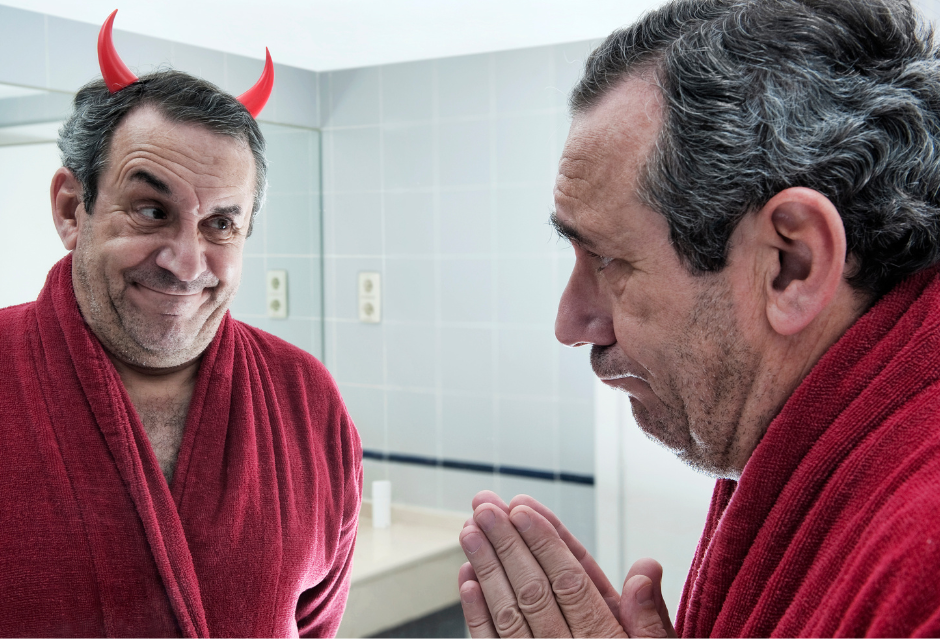
So, can evil be understood as a lack of goodness—of God, the source of love and knowledge? Or, just as there is a divine source of good, might there also be a demonic source of evil, the D(evil)?
Regardless of whether evil is prompted by environmental and social circumstances or by the devious influence of a force named Satan, it seems we cannot entirely escape its influence. Thomas Merton also reminds us that “Our freedom is to align ourselves with the will of God.” The Christian response, then, is love, forgiveness, and a willingness to align our lives with God's will.
In the Easter story, God, through Jesus, embraces an agonizing death—the ultimate expression of divine love. Through that sacrifice comes forgiveness for the evil we cannot entirely escape, and the promise of redemption through the source of all love: God.
I leave with this thought: If evil is the absence of love, is love merely the remedy for evil, or is love itself the greatest defence against evil?
